Every public asset becomes a point of service, reporting and response.
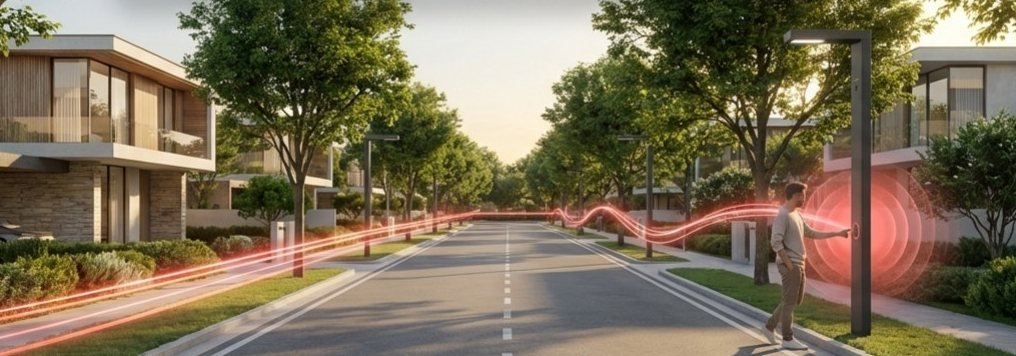
The municipality owns the service, the fire brigade commands the response, and tap2 is the public access layer: a registered point on a generator room, a market stall or a heritage site that anyone can tap.

What gets in the way today.
Buildings with no addressable alarm
Legacy buildings, private generators, fuel rooms, markets and seasonal events sit outside any panel.
Reports with vague locations
Citizen reports arrive by phone, and the first minutes go to working out where.
Crews that are hard to verify
Field crews and inspectors report presence verbally or on paper.
Feedback with no owner
Comments about parks, streets and service centres reach nobody accountable.
One estate, several layers.
The same kind of tag in every place, with the product each place needs behind it. The core product is where a deployment starts; which products join, and on which points, is settled in the tag plan.


From the first tap to the report.
Blue times are taps.
- 09:00MunicipalityRegister
Facilities and touchpoints are registered: security office, generator room, electrical room, market entrance.
- 11:20CitizenGenerator-room help point
Taps the help point. The public page is designed to open with no app, with the help point’s location attached and a choice of what is happening.
- 11:21DispatcherCommand map
The alert appears on the response team’s map with an audio notification; the dispatcher marks it Dispatched, then En route.
- 13:00ResidentPark bench tag
Reports a broken light privately. The report goes to the department that owns the asset.
- 15:00InspectorAsset checkpoint
Confirms presence at the fuel-room inspection.
- Month endCouncilReports
Alerts, response, inspections and reports by district feed prevention planning.
Decision-makers and the teams on the floor.
Decision-makers
- Coverage of buildings without rewiring
- Public trust in a visible, owned service
- Evidence for resilience programmes funded by ministries or donors
Operational teams
- A precise location before arrival
- One status board across the response
- Accountable inspections
Scope, duration, and what is measured.
No promised numbers. The measures are agreed before the first tag goes up and reviewed at the end.
Scope and duration
Scope. One district: its high-risk facilities and a small set of public points.
Duration. A phased start: high-risk facilities first, then residential and heritage, then retail and public spaces.
What is measured
- Alerts where the registered location was enough to find the person
- Time from alert to response
- Citizen reports received with their location
What is out of scope, and what is agreed per project.
Field presence (tap2work) supports inspections at public assets; the service itself is built around reporting and response.
The municipality owns the service and the fire brigade commands the response. Alerts reach the team the municipality assigns to its help points.
Connections to civil-defence and fire-brigade control rooms are on the roadmap, scoped per project.
tap2alert complements emergency numbers and fire-alarm systems. It does not replace them. Anyone in danger should also call the local emergency number.
Discuss your first deployment.
One district: its high-risk facilities and a small set of public points. A phased start: high-risk facilities first, then residential and heritage, then retail and public spaces.